
One of the most persistent bottlenecks across the African entrepreneurial ecosystem is the structural gap between informal success and formal bankability. Across South Africa’s townships and urban hubs, thousands of high-demand consumer brands reach operational glass ceilings. They generate substantial revenue and build immense social equity, yet remain unable to unlock tier-1 institutional funding to scale physical infrastructure.
The standard venture narrative often blames risk-averse commercial banks. However, the institutional reality is simpler: capital does not flow to hype; it flows to clean governance, predictable unit economics, and audited operational data.
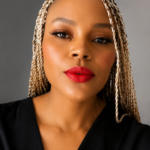
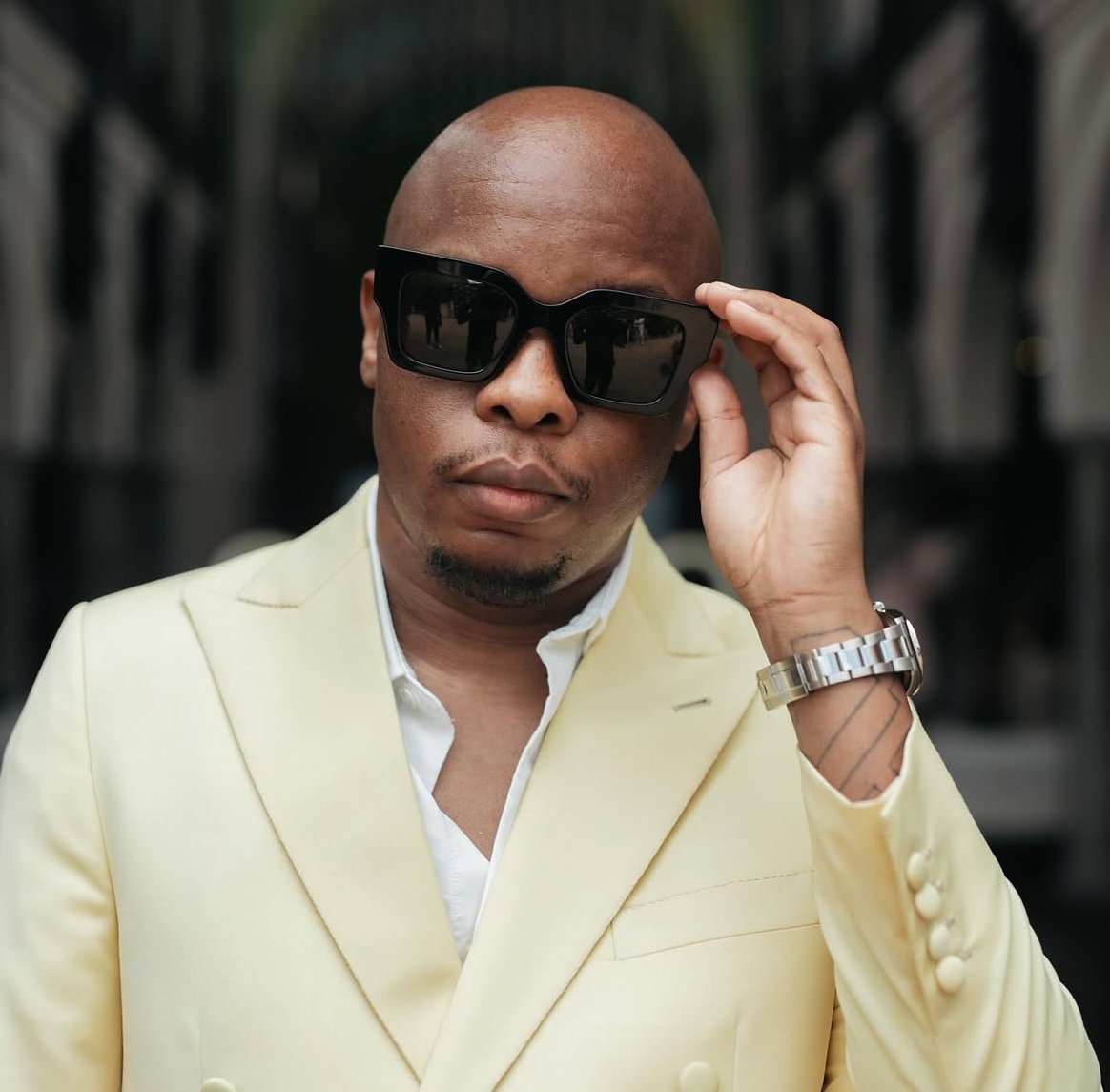
Few contemporary ventures illustrate this transition more clearly than GALXBOY. Speaking at Standard Bank’s Kasi SME Summit in Gqeberha, founder and Creative Director Thatiso Dube, alongside CFO Lesego Mosupye, provided a masterclass in how a township-born streetwear hustle systematically translated cultural momentum into corporate bankability.
Today, GALXBOY boasts 18 flagship retail stores nationwide, 3 fulfillment warehouses, over 250 employees, and more than 1 million processed orders. The framework behind that expansion offers crucial takeaways for institutional investors, commercial lenders, and growth-stage executives.
1. The Bankability Bottleneck in African SME Retail
In its early stages, GALXBOY experienced the classic friction point of high-growth lifestyle ventures. Demand was overwhelming—driven by a community that attached deep identity to the apparel. Yet, beneath the surface sat a precarious operational reality: progress was strictly dependent on immediate cash flow and personal liquidity.
When GALXBOY opened its first physical store in 2014, the business was running purely on founder energy without structured corporate frameworks. By 2017, the store was forced to close.
Like many self-funded African entrepreneurs, Dube faced a structural wall: apparel retail carries massive upfront manufacturing costs, inventory lags, and seasonal cash flow shocks. Without institutional credit facilities—such as revolving credit lines, asset finance, and merchant working capital—a brand cannot fund store buildouts or manage inventory spikes without running out of cash.
2. Decoupling Creation from Capital: Professionalizing the Executive Suite
The turning point for GALXBOY came when Dube recognized that creative brilliance alone cannot manage institutional balance sheets. Following the 2017 store closure, Dube went “underground” to complete business management training and audit the company’s structural flaws.
His most critical strategic move was delegating executive authority by bringing in specialized financial leadership under CFO Lesego Mosupye.
“One of the really great qualities that Thatiso has as an entrepreneur is he had the vision to let go,” noted CFO Lesego Mosupye. “He focuses on creative, and we let him spend his time on creative so we can deal with the rest. My background was in corporate finance and banking. All I really did was take that operational understanding and repackage it to financiers so they could understand and share in the vision.”
By bringing in corporate finance expertise, GALXBOY stopped presenting itself to institutions as an informal fashion label and began communicating as a high-margin, scalable retail enterprise.
3. Data & Governance First: Speaking the Language of Tier-1 Financiers
To access institutional debt and credit facilities from major lenders like Standard Bank, GALXBOY had to replace ad-hoc record-keeping with transparent financial architecture.
Institutional bankability was established through three core operational shifts:
- Clean Point-of-Sale (POS) & ERP Integration: Standardizing transaction data across all sales channels enabled real-time inventory tracking, customer analytics, and transparent cash-flow reporting. Lenders could verify sales velocity and unit profitability using hard, unalterable data rather than speculative projections.
- Audited Financial Governance: Establishing formal governance frameworks, tax compliance, and structured payroll systems proved that the business could absorb institutional risk.
- Self-Liquidating Facilities: Instead of seeking high-dilution equity funding early on, Mosupye leveraged verified transaction records to secure merchant services, fleet logistics funding, and revolving credit facilities from Standard Bank. These facilities self-liquidated as store sales rolled in, protecting founder equity while funding rapid physical footprint expansion.
This capital architecture was the key catalyst that unlocked funding for their prime flagship location at Menlyn Park, which subsequently validated the commercial blueprint for their remaining 17 nationwide stores.
4. The Strategic Lesson for Fund Managers & Growth-Stage Founders
The GALXBOY case study reframes the narrative around funding the African creative and township economy.
For institutional lenders and private equity funds, the takeaway is clear: high-potential SMEs exist in abundance within local markets, but funding models must be backed by tailored financial tools—revolving credit, fleet logistics solutions, and merchant merchant-backed facilities—aligned with retail cash-flow realities.
For founders, the lesson is equally definitive:
- Brand Momentum is Not Balance Sheet Strength: High social engagement creates sales, but governance and unit economics build sustainable equity.
- Build Banking Relationships Early: Do not approach tier-1 banks in a crisis. Build audited track records early so institutions can back your expansion with appropriate debt instruments.
- The Power of Delegation: Scaling past a single store requires founders to relinquish operational silos and empower professional corporate managers.
By combining Thatiso Dube’s relentless focus on product and culture with Lesego Mosupye’s corporate financial discipline, GALXBOY has provided a masterclass in modern African business: Culture builds the brand, but governance builds the empire.
Editorial Insights Are From GALXBOY’s Panel Discussion at Standard Bank’s Kasi SME Summit in Gqeberha