
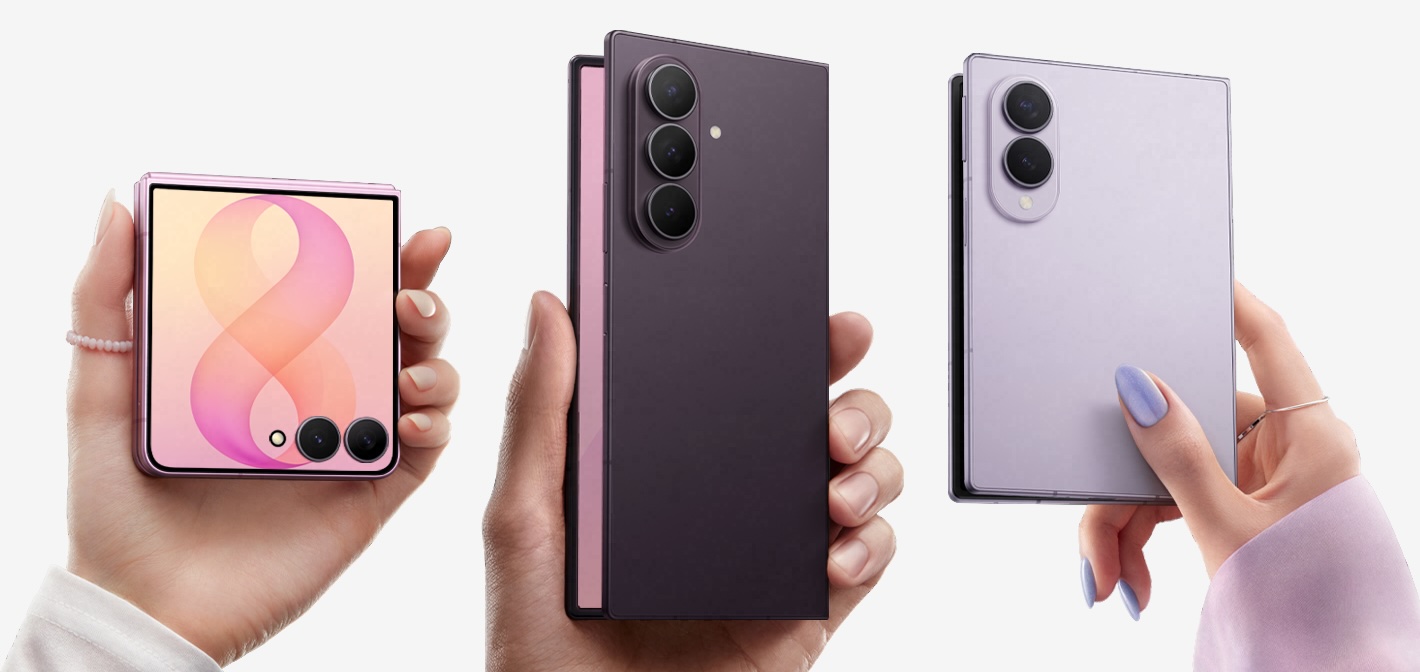
Samsung Electronics South Africa’s latest Galaxy Z series launch is not simply another annual hardware refresh. It reflects a much larger shift taking place across the global technology industry—one where smartphone manufacturers are increasingly competing on experience, productivity and personal identity rather than raw specifications.
With pre-orders now open for the Galaxy Z Fold8, Galaxy Z Fold8 Ultra and Galaxy Z Flip8, Samsung is signalling that the era of the “one-size-fits-all” flagship smartphone is coming to an end.
For much of the past decade, premium smartphones have followed a predictable formula: larger cameras, faster processors and incremental performance improvements. While these upgrades remain important, they are no longer enough to differentiate products in a mature market where most flagship devices already deliver exceptional performance.
Samsung’s latest foldable portfolio demonstrates a different approach.
Instead of asking consumers to choose between Android and iOS alone, the company is creating distinct premium devices built around different lifestyles and use cases.
The Galaxy Z Fold8 Ultra targets professionals, entrepreneurs and power users who increasingly expect their smartphone to function as a mobile office. Featuring Samsung’s largest foldable display to date in its slimmest Fold design, it is positioned as a productivity-first device capable of supporting multitasking, AI-powered workflows and content creation from virtually anywhere.
The Galaxy Z Fold8 occupies the middle ground, balancing entertainment, work and everyday usability. It is designed for users who want the flexibility of a larger display without moving into the ultra-premium category.
Meanwhile, the Galaxy Z Flip8 continues Samsung’s strategy of appealing to consumers who prioritise portability, style and self-expression. Rather than competing solely on technical specifications, the Flip series has evolved into a lifestyle product that treats the smartphone as both a communications device and a personal accessory.
Collectively, the portfolio illustrates an important shift in consumer technology: smartphones are no longer being designed around the average user because today’s average user no longer exists.
AI Is Accelerating the Shift
The rapid integration of artificial intelligence is making device design even more significant.
As AI assistants become capable of summarising meetings, editing documents, generating content, translating conversations and assisting with creative work, larger displays and flexible form factors become increasingly valuable. Foldable devices are uniquely positioned to benefit from this evolution because they bridge the gap between smartphones, tablets and lightweight productivity devices.
Samsung’s inclusion of six months of Google AI Pro with every pre-order reinforces that the company increasingly views software intelligence—not just hardware innovation—as a key competitive advantage.
Betting on Premium Consumers
South African pricing positions the Galaxy Z Fold8 Ultra firmly within the ultra-premium segment, reaching R60,999 for the 1TB model, while the Galaxy Z Fold8 starts at R40,999 and the Galaxy Z Flip8 at R26,999.
These price points reflect confidence that a growing segment of consumers is willing to invest in devices that improve productivity and consolidate multiple use cases into a single product.
Rather than competing on affordability, Samsung is competing on value creation.
The addition of Samsung Care+, Samsung SOS+, complimentary accessories and AI subscriptions further demonstrates how premium technology is increasingly sold as part of a broader ecosystem instead of as standalone hardware.
The Bigger Picture
Foldable smartphones have now moved beyond proving they can exist—they are proving where they fit.
For business leaders, professionals and creators, the question is becoming less about whether foldables represent the future and more about how quickly they will become mainstream.
Samsung’s latest Galaxy Z portfolio suggests the company believes that future belongs to devices built around people rather than product categories.
Instead of offering a single flagship for everyone, Samsung is betting that the next era of mobile computing will be defined by choice, flexibility and experiences tailored to the way people live, work and create.
That may ultimately prove to be the company’s most important innovation—not the foldable display itself, but the recognition that the future of premium smartphones is personal.