

TLU SA has addressed two formal letters to Pres. Cyril Ramaphosa and the Minister of Agriculture, John Steenhuisen, expressing serious concern about the country’s current policy direction, the pressure on food production, and the urgent need for practical, economically responsible solutions for growth.
According to TLU SA, the country cannot afford to continue with policies that undermine investor confidence, sideline merit, and hinder economic growth. In its letter to the President, TLU SA points out that agriculture does not stand apart from the broader economy, but is in fact one of the foundations upon which stability, job creation, and food security are built.
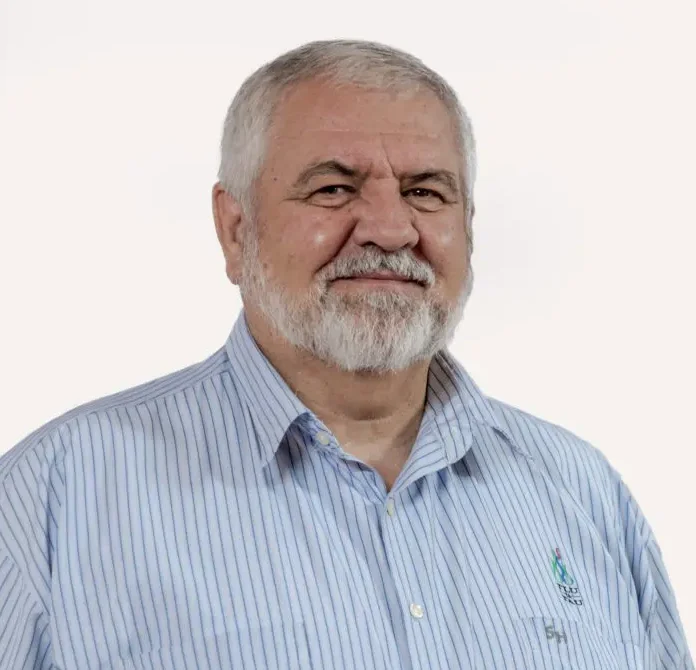
“The state’s core responsibility is to ensure safety and to create a policy environment in which people can empower themselves economically,” says Bennie van Zyl, General Manager of TLU SA. “True empowerment does not arise through ideological prescriptions or race-based legislation, but through opportunities, responsibility, merit, training, and a fair playing field.”
In the letter, TLU SA emphasised that race-based policy instruments such as BEE have, in practice, failed to improve the economic position of the broader population. On the contrary, the organisation believes that such policies often discourage investment, drive expertise out of institutions, and seriously weaken the country’s ability to function effectively.
The organisation calls for policy and legislation to be measured according to their actual economic impact, their ability to restore investor confidence, and their contribution to sustainable job creation. TLU SA also calls for quality education, skills development, merit, expertise, and performance once again to become central to economic empowerment and appointments.
In a second letter to the Minister of Agriculture, TLU SA highlighted a practical growth opportunity, namely the possible development of an ethanol and biodiesel industry in South Africa. Against the backdrop of pressure on fuel supply, fluctuating commodity markets, and the potential of agricultural production, TLU SA is calling on the department to commission a comprehensive independent study into the feasibility of ethanol and biodiesel plants.
The organisation believes that maize, sugar cane, soya beans, and sunflower could potentially form part of a broader biofuel strategy, provided it is investigated responsibly and does not undermine food security or local prices.
“We are not calling for reckless intervention,” says Van Zyl. “We are calling for serious, independent research that assesses economic realities, food security, infrastructure, investment, environmental impact, and energy insecurity together. South Africa needs practical solutions that unlock growth, rather than simply creating more policy on paper.”
According to TLU SA, a responsibly developed biofuel industry could create new markets for agricultural products, support employment opportunities in rural areas, strengthen investor confidence, and broaden South Africa’s energy mix.
TLU SA says the two letters carry the same central message: South Africa’s policy choices must be measured against tangible outcomes. The country does not need further ideological experiments, but rather an environment in which safety, property rights, merit, investment, expertise, and food production are protected and strengthened.
“Agriculture can play a greater role in economic recovery, energy security, and job creation,” says Van Zyl. “But government must then be willing to test policy rationally, acknowledge failures, and work with producers on practical solutions.”
By Bennie van Zyl, General Manager of TLU SA